The Role of Commissioning in Ensuring Building Systems Work as Designed
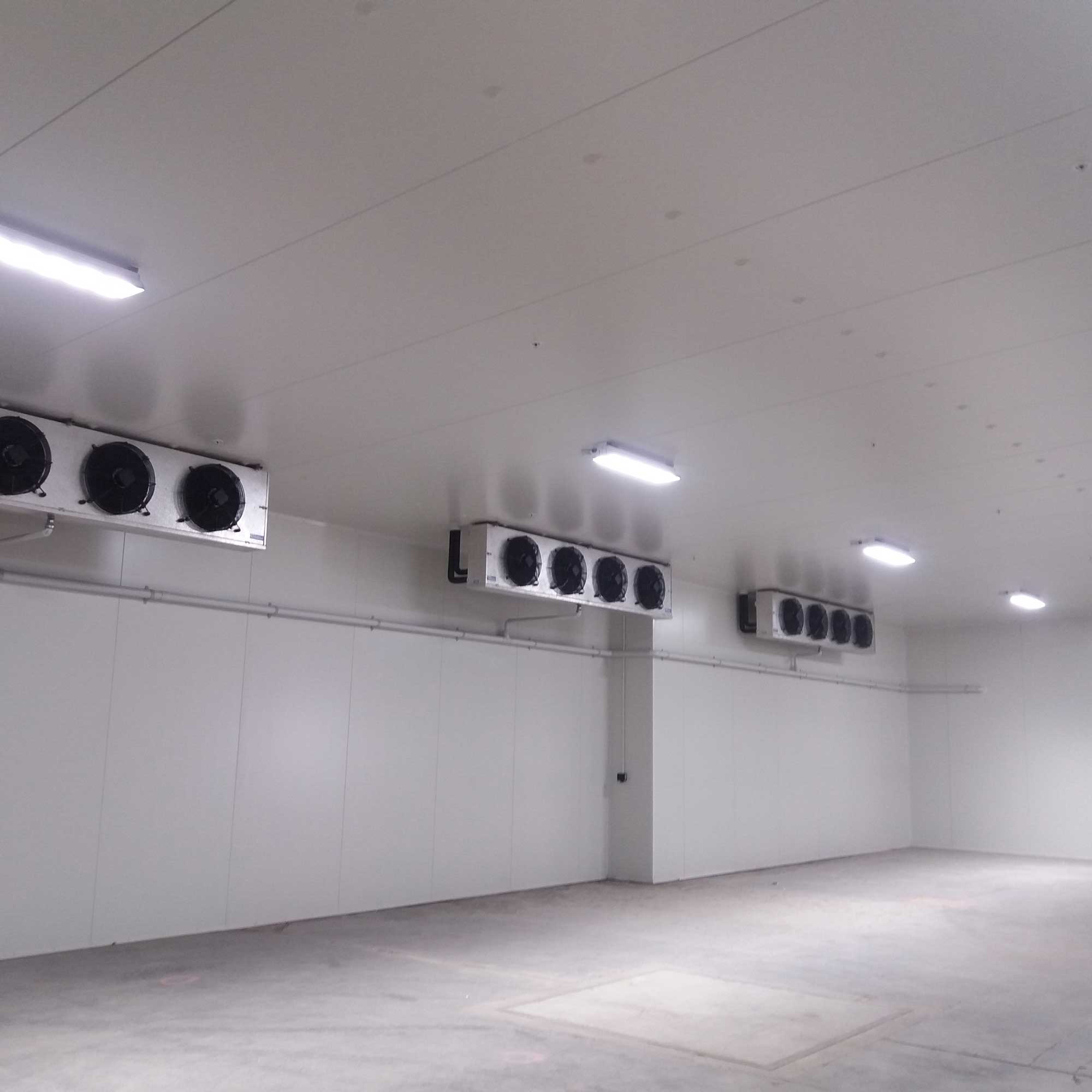
Historically, commissioning in construction was primarily related to the HVAC system operating within a given building. However, modern standards for commissioning have evolved far beyond that, encompassing everything from the comfort of a building’s occupants to the power sources that feed a given building under one umbrella.
In truth, the list of things that fall under commissioning in construction is so extensive that it can be difficult to cover all at once. But at its core is a commitment to ensuring that all building systems perform properly, interactively, and will withstand the years.
This means commissioning plays an enormous role in ensuring a building’s systems work as designed. With an increasing number of systems influencing modern construction, it’s no wonder that this field has become complex and dynamic. Read on for an updated look at the role of commissioning in construction, and how it might influence any upcoming projects on your radar.
What commissioning in construction actually covers today:
While the field began with purely mechanical systems, modern commissioning in construction now extends well beyond that. It actually covers the entire ecosystem of how a building performs for its inhabitants. Systems include: mechanical, electrical, hydraulic, communications, and increasingly, digital control.
At its simplest, commissioning is a structured and documented process designed to verify that a building is functioning properly. A series of checks and balances from pre-design through to maintenance that highlights whether a building’s systems are designed, installed, tested, and functional according to the project’s original intent. Of course, if the intent has shifted throughout the course of the project, then the commissioning process must as well.
As part of a commissioning process, you’ll see a variety of systems assessed, including:
- Mechanical systems (HVAC, ventilation, chillers, boilers)
- Electrical and lighting systems
- Fire and life safety systems
- Plumbing and hydraulics
- Building management systems (BMS)
- Energy and sustainability controls
The process should ideally start early, during the pre-planning stages, and continue throughout handover. Done properly, it is an engineer’s first and best way to ensure that every component of a complex building works in total harmony.
Why does commissioning matter more now than ever before?
Across several generations of construction and engineering in New Zealand, modern buildings have become much more interconnected. Where systems used to operate in isolation, they are now heavily integrated, so a change in one could easily impact another. For example, a lighting control system might interact with a building’s HVAC sensors, or a water management system might link to an internal energy dashboard.
This is where modern commissioning in construction comes into play. If those interactions fail, they fail silently, and that can lead to a series of tangled problems that impact the overall safety of the building.
Integrating commissioning into the process from the start allows us, as engineers, to catch design or installation issues before they can become long-term problems. It’s also a vital way to extend the life of equipment by providing documentation for its ongoing maintenance and repair.
At times, it can sound like an exercise in ticking boxes. But that’s far from the truth. Without a commitment to documented quality assurance, it’s harder to protect everyone involved (whether that be you as a developer or the future occupants of a building).
The Four Stages of Commissioning in Construction
1. Design review.
Commissioning begins before even a single cable or duct is installed. The team reviews design documents to confirm whether or not systems are specified correctly. At this stage, we’re mostly checking for measurable performance criteria. Without this, it’s difficult to know if a given system is functioning the way it should once installed.
2. Construction observation.
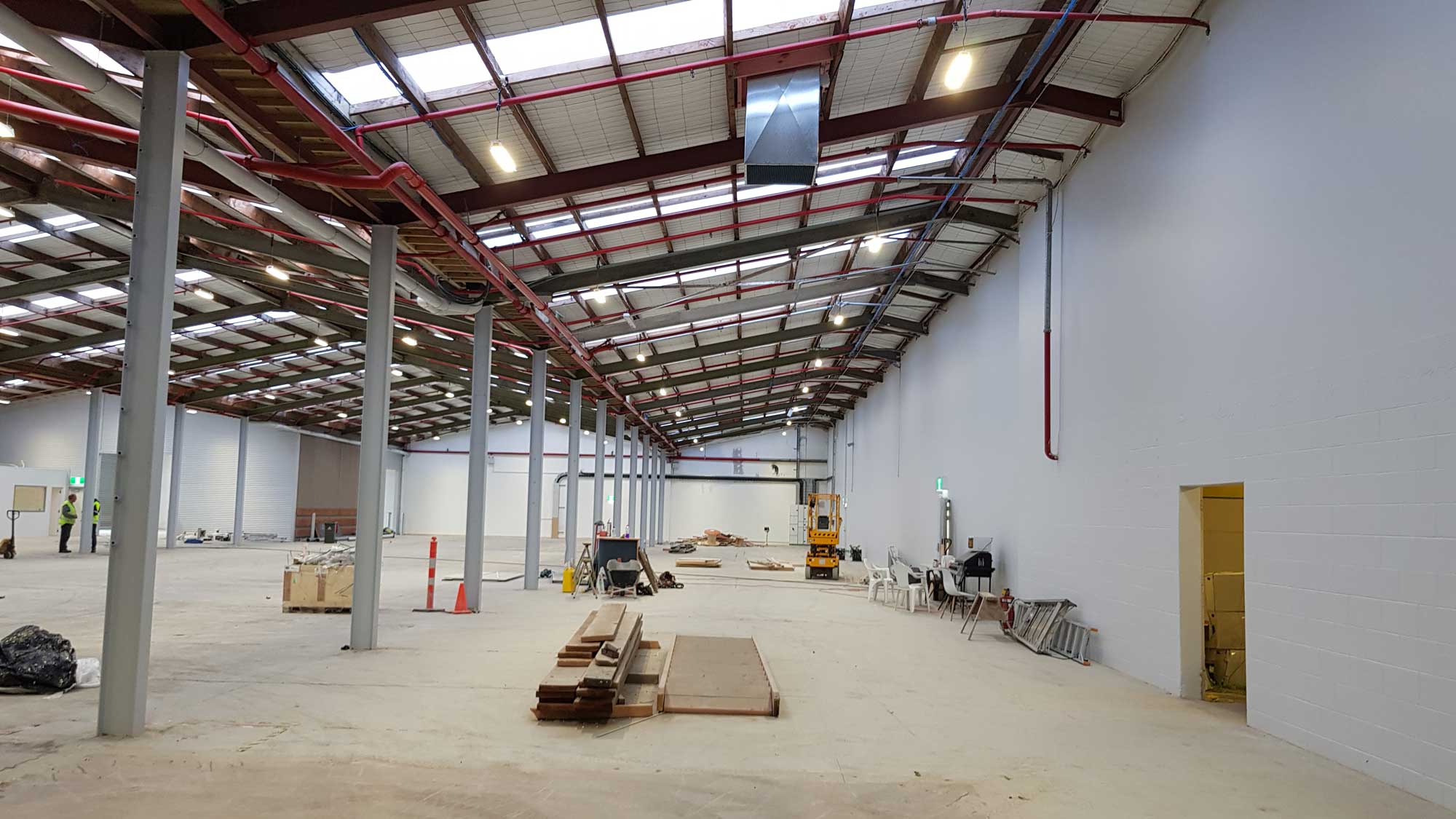
During construction, your construction team and engineers focus on verifying the installation. If systems are installed according to the exact specifications outlined in the documentation, they are most likely to function properly. This is a proactive stage that helps identify issues early on, reducing the potential for costly rework down the line.
3. Functional testing.
This is where the true test begins. Once systems are installed, they are powered on, operated and measured against the performance targets set out in the design review. As engineers, it’s our job to confirm a few things in this stage: that controls are responding correctly, that sensors are calibrated properly, and that any fail-safe systems are ready to go.
4. Handover and post-occupancy.
Finally, once the project is completed, commissioning must continue. The handover should always include providing system documentation and training facility managers to understand the systems integrated into a given building. Sometimes, commissioning in construction can even involve us revisiting a building once it’s occupied to confirm that systems are performing as expected.
As you can see, it’s quite the process. You can almost look at commissioning in construction as a symphony, pulling a variety of systems together to make sure they’re working in harmony. At its best, it ensures that every component of a building is functioning as intended. At its worst, it’s not present in the process.
Ensure experts in commissioning handle your project.
If you want your finished project to run as smoothly as intended, talk to the award-winning team at Agile Engineering. Our expert team of independent commissioning agents is available to provide quality assurance throughout the design and construction process.
Contact us today to start the process.
Back To All Article