Agile Articles
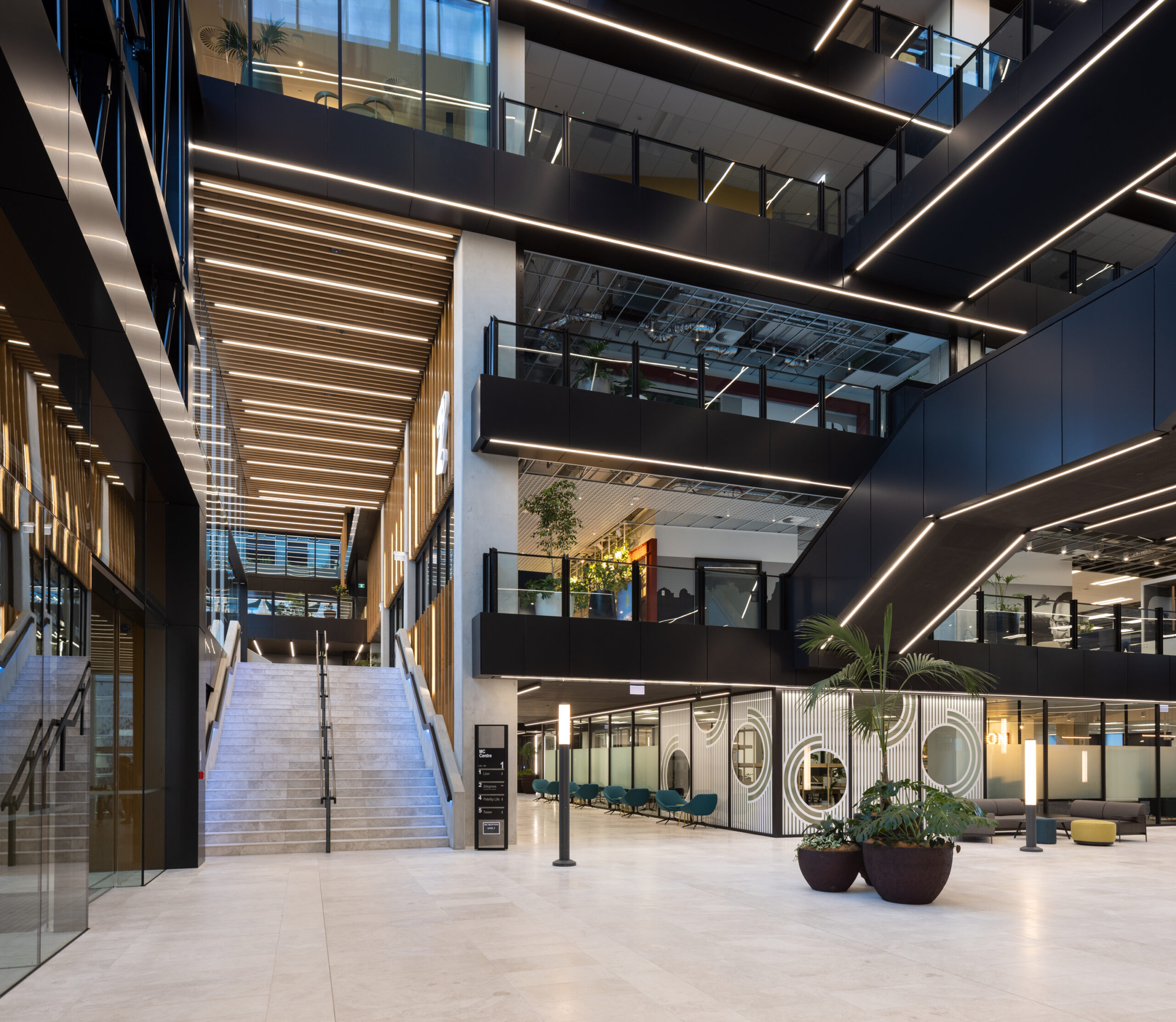
Common Acoustic Design Challenges in Commercial and Mixed-Use Buildings
Commercial mixed-use buildings are well known for presenting unique engineering challenges. These developments blend smaller commercial areas (usually on the lower levels) with comfortable residential areas above, creating a thriving precinct for living, working, and relaxing. As a developer, creating this kind of property presents an exciting opportunity for diversified income within a single property. […]
See Article 
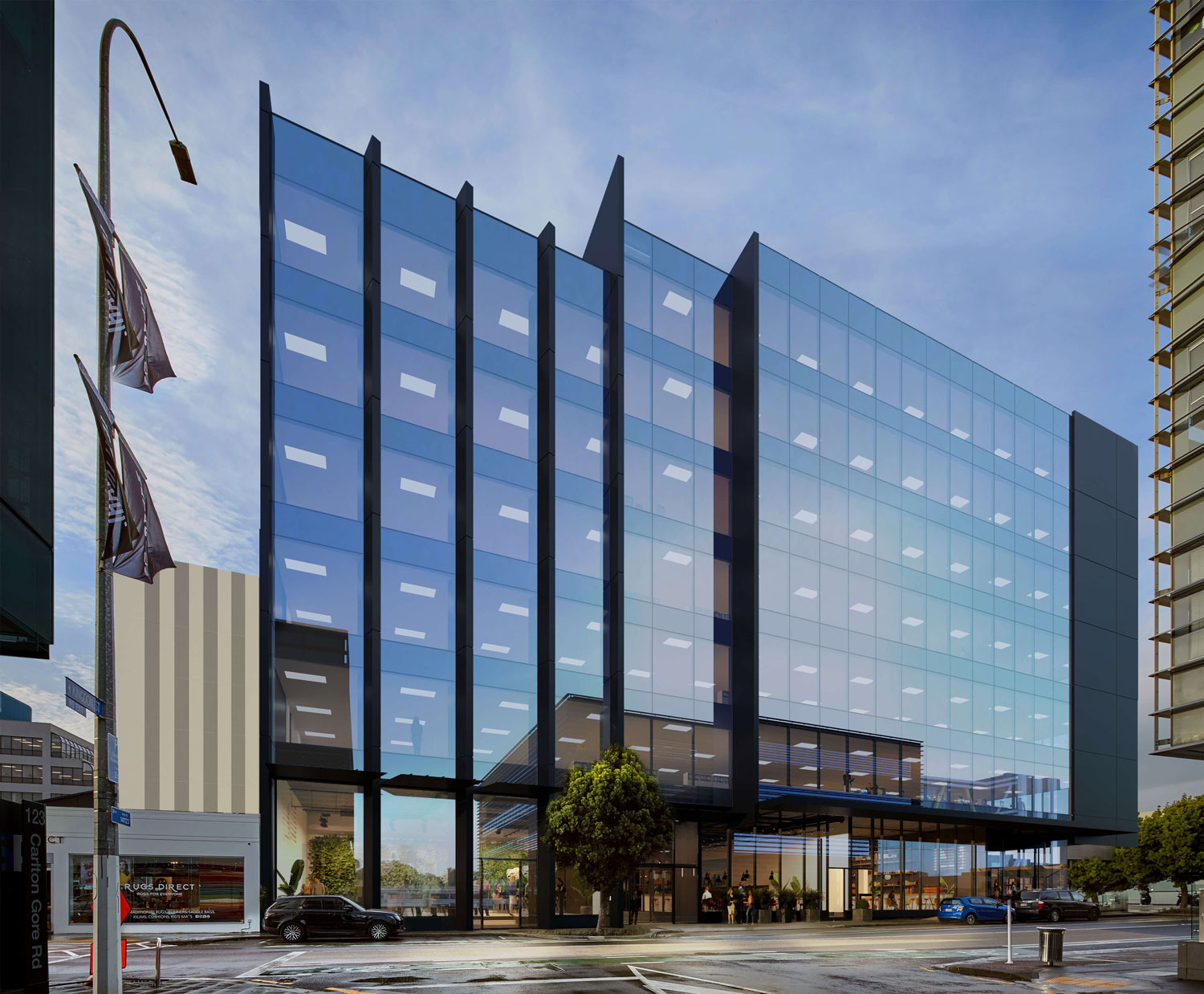
How Does Sustainable Engineering Design Improve Long-Term Building Efficiency?
‘Sustainable’ has gained a reputation as a buzzword over the years, but as time marches on, it is becoming increasingly clear how important this principle is in the creation of all long-term developments. As engineers, sustainable engineering design is a relatively new discipline in the industry, but it is quickly rising in importance for both […]
See Article

How Do Hydraulic Systems Relate to Fire Protection Design?
Fire suppression systems have come a long way in the past few decades. Red extinguishers tucked into room corners used to be the extent of the expectations for fire safety, but with building services engineering solutions evolving at lightspeed over the years, fire detection has evolved too. Now, we expect each building we enter to […]
See Article

What Hydraulic Engineering Issues Commonly Occur in Commercial Buildings?
Unless they start to cause trouble, most building owners don’t think much about the hydraulic systems in commercial buildings. The water runs, the toilets flush, and the fire sprinklers stand ready in case of emergency. That’s exactly how it should be. When it’s working perfectly, it’s invisible. But when something goes wrong with hydraulic systems […]
See Article
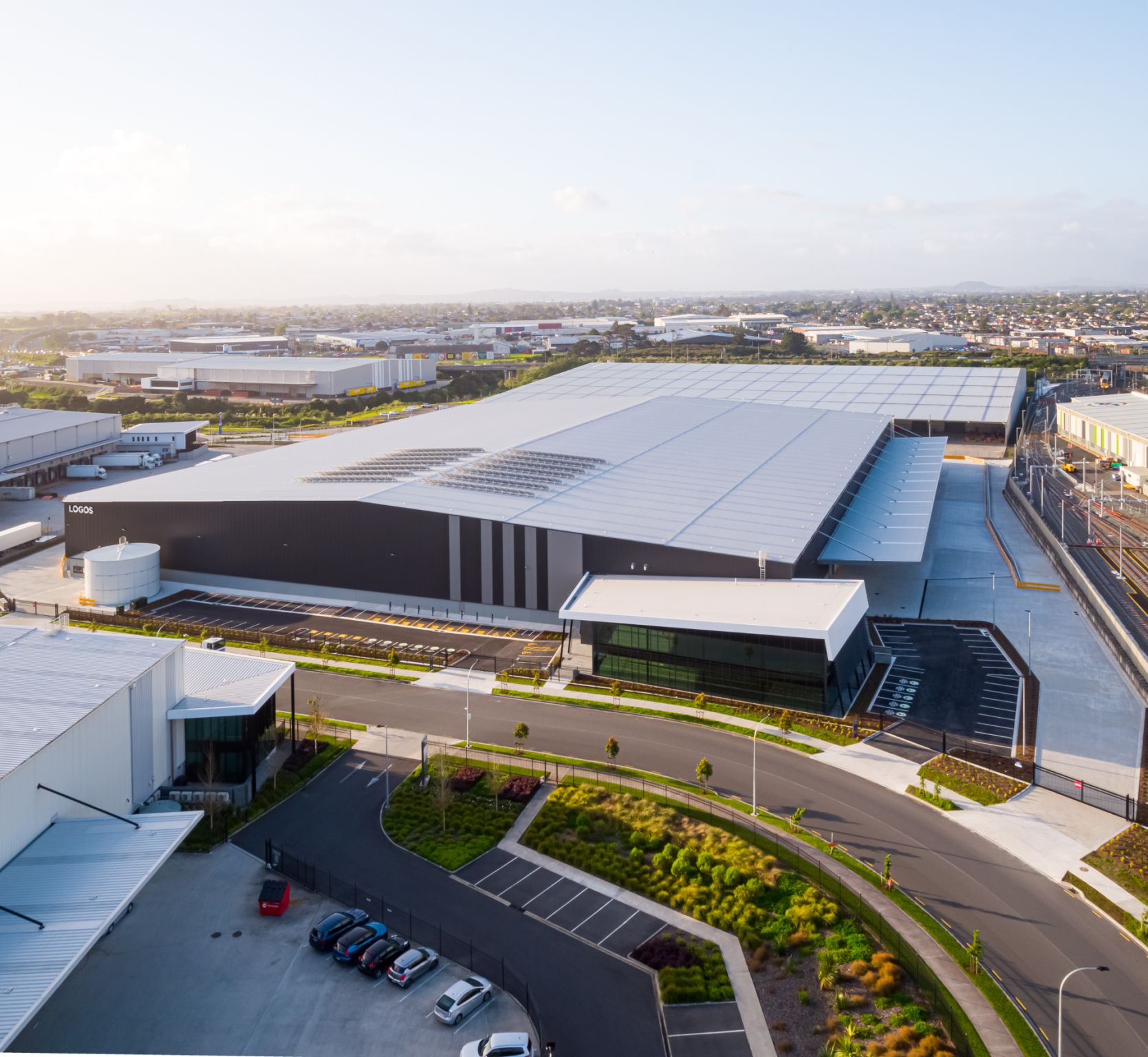
How to Meet NZBC Clause G6: Acoustic Performance in Commercial Buildings
The NZ Building Codes are a complex, interconnected series of specifications designed to ensure that every building in the country – old and new – is safe to occupy. Some clauses in the NZBC are more prevalent and well-understood, covering aspects such as structural integrity and emergency measures during a fire. But some NZBC Codes […]
See Article
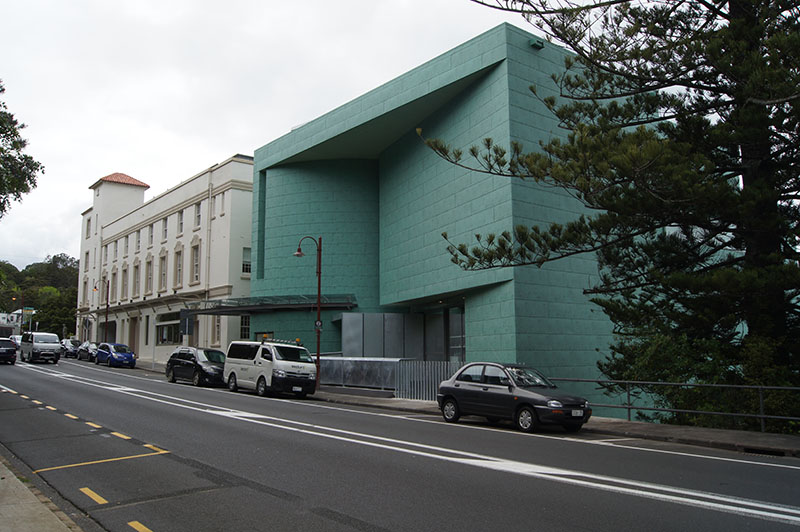
How to Design for Water Pressure Issues in High-Rise Developments
For decades, humanity has been improving our ability to not just build outward, but to build upward. High-rises are growing taller and taller, and while that’s impressive on a level of scale, it’s vital to consider how this impacts the engineering and structural considerations that go into making these high-rises safe places to live and […]
See Article
The Role of Commissioning in Ensuring Building Systems Work as Designed
Historically, commissioning in construction was primarily related to the HVAC system operating within a given building. However, modern standards for commissioning have evolved far beyond that, encompassing everything from the comfort of a building’s occupants to the power sources that feed a given building under one umbrella. In truth, the list of things that fall […]
See Article
The Link Between Mechanical Engineering and Green Building Certifications
Necessity has always been the mother of invention, and as the world has steadily begun to focus more on building greener, engineers are finding their roles becoming increasingly important. Mechanical engineers worldwide play a crucial role in designing new and innovative systems that address the growing need for sustainable buildings. From the simplest mechanisms all […]
See Article
Common Mechanical Engineering Mistakes in Commercial Projects (and How to Avoid Them)
At the heart of any structurally complex modern skyrise is an impressive array of unseen mechanical engineering. For new commercial projects, it is simply a non-negotiable inclusion, holding up vital systems like internal HVAC, building automation, and smoke control for emergencies. Unfortunately, due to the complexity of this field, many common mistakes a novice mechanical […]
See Article