Fire Engineering in Multi-Use Buildings: Balancing Safety with Design Flexibility
Cities are growing taller and denser, and the way we use buildings is evolving just as quickly. Apartments sit above cafés, offices share space with gyms, and entire communities exist within a single structure. These multi-use buildings make smart use of land and energy, but they also create a new kind of design challenge.
In these complex spaces, every decision has to give equal weight to beauty, function, and safety. Right at the centre of that balance is a key question: what is fire engineering, and how does it shape design in the buildings we live and work in every day? Today, let’s answer that question.
What is fire engineering?
At its core, fire engineering is the science of understanding how fire behaves in a built environment and using that knowledge to design safer, smarter spaces.
So when we ask “what is fire engineering?”, we’re really talking about more than sprinklers and alarms. We’re shaping buildings that anticipate and manage fire risk, protecting people, preserving structures, and supporting safe evacuation, while still giving architects the freedom to create.
Fire engineers work closely with your architects and councils to ensure that every material, layout, and ventilation choice supports both safety and design intent. Choosing fire engineers who also have experience in structural engineering will give you an added advantage in terms of safety.
Why does fire engineering matter in multi-use buildings?
In a single-purpose warehouse or office block, fire safety design is relatively straightforward. However, a mixed-use tower with retail, offices, apartments, and parking all stacked together introduces additional layers of complexity. Each space has its own purpose, fire load, and evacuation needs.
Fire engineering helps manage that complexity. Instead of following rigid, one-size-fits-all building codes, our engineers use performance-based design. They model how heat, smoke, and people might move through a building in different scenarios and then tailor systems accordingly.
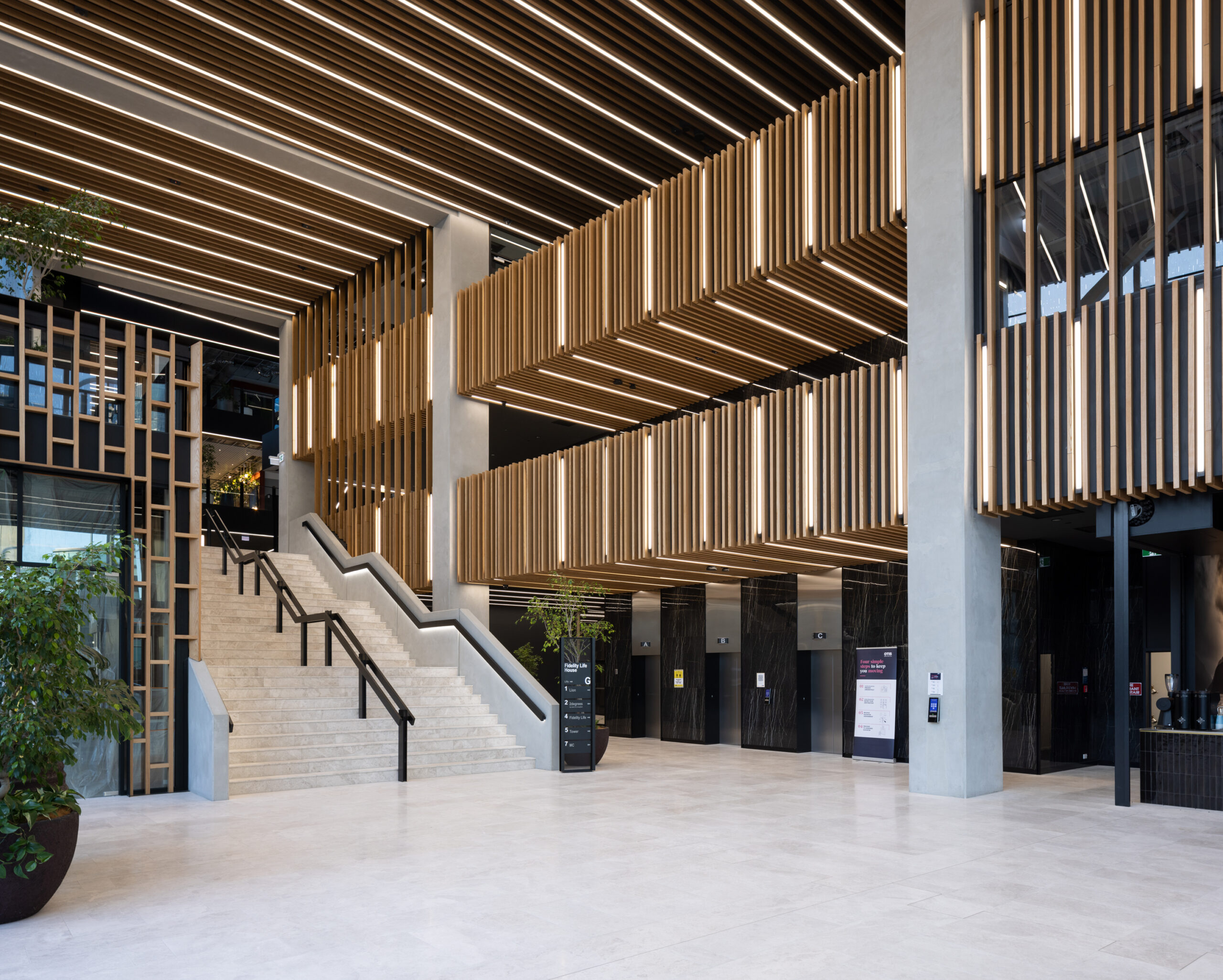
That flexibility means ambitious architectural ideas don’t have to come at the expense of safety. Wide atriums, shared foyers, and open-plan layouts can all exist safely when supported by smart fire engineering principles. In fact, let’s give those their day in the sun.
The Core Principles of Fire Engineering
So, what is fire engineering in practical terms? When you get down to it, in practical terms, it’s built around four key ideas: prevention, protection, containment, and evacuation.
1. Prevention.
The best fire, in our opinion, is the one that never starts. Prevention starts with material choices, electrical design, and safe layouts. Our fire engineers help identify ignition risks early in the design phase, so long before construction begins.
2. Protection.
If a fire does occur, active systems such as sprinklers, alarms, and smoke detectors need to activate as quickly as possible. In a multi-use building, these systems often need to adapt to different environments.
3. Containment.
Containment keeps fire and smoke from spreading quickly. Using compartmentation, fire-rated walls and doors, and pressurised stairwells, we create zones that buy people time to escape and firefighters time to respond.
4. Evacuation and access.
Safe evacuation is the ultimate goal. Our fire engineers analyse how occupants move, how smoke affects visibility, and how long people have to reach safety. We also ensure that emergency crews can reach their destinations quickly.
Together, these principles turn a static building into an actively safe environment.
The Power of Performance-Based Design
Traditional building codes serve as the basis for minimum safety requirements, but it’s essential to go beyond these standards for increasingly complex buildings. Performance-based fire engineering pushes beyond standard building codes. Using digital modelling tools, we can simulate how a specific design would respond to real-world fire scenarios.
That insight enables architects to experiment with glass façades, open mezzanines, or shared atriums, all while ensuring that the spaces can meet compliance without compromise.
Understanding the core of the ‘what is fire engineering’ question today means recognising that it’s about doing more than the bare minimum. It’s a discipline that measures, tests, and proves safety rather than assuming it. To achieve this, we need technology on our side.
How we use technology to innovate our fire engineering approach:
Modern fire engineering is as much about data as it is about design. Computational Fluid Dynamics (CFD) software enables our engineers to simulate smoke movement in detail, illustrating how it interacts with airflow and heat. These insights fine-tune ventilation systems before anyone breaks ground.
Other innovations in our toolkit, such as adaptive detection systems, automated smoke control, and digital twins utilising Building Information Modelling (BIM), enable our engineers to test scenarios virtually. The result is the ultimate goal: safe, cohabituative spaces crafted by incredible architects and supported by careful engineering.
So, what is fire engineering in the context of modern multi-use buildings? It’s the discipline that keeps people safe while giving architects the confidence to innovate. It’s where physics, creativity, and technology meet.
Trust the industry-leading multi-disciplinary engineers at Agile Engineering.
What is fire engineering without the right team to back you up? Reach out to our expert team of multi-disciplinary engineers for a full-spectrum approach to your new build.
Back To All Article